Andy McDade is a Cardiff based tuba player and music teacher.
As a professional tuba player and teacher, I spend much of my working life thinking about live music: both performing it and helping younger musicians develop their own playing.
I’ve been fortunate to perform with orchestras including the BBC Philharmonic and the City of Birmingham Symphony Orchestra. One thing those experiences have reinforced is that live performance teaches us so much that a recording can’t.
Recordings are incredibly useful. They allow us to revisit a piece, focus on particular details and hear performances from musicians around the world. But when you’re sitting in the same room as the performers, you experience music differently. You feel the sound, see the work involved and notice musicians continually listening and responding to one another.
For students studying GCSE or A Level Music (as well as any young person learning an instrument) that can be hugely valuable.
Watching Musicians Listen
Playing in an orchestra isn’t only about knowing your own part. You’re constantly paying attention to what’s going on around you: matching articulation, balancing your sound, responding to a conductor and adjusting to the other players.
A live performance lets students see that communication taking place. A breath, a glance or a small gesture can bring a whole ensemble together. Those details are often invisible when we listen through headphones, but they’re at the heart of making music with other people.
That’s useful whether a student hopes to become a professional musician, plays in a school ensemble or is simply working towards their next lesson or exam. It reminds us that good performance isn’t only about getting the right notes. It’s about listening, and working together.
Storytelling through Music
Opera is particularly interesting because the orchestra isn’t only to accompany the singers: it also plays a vital role in creating the characters, mood and drama.
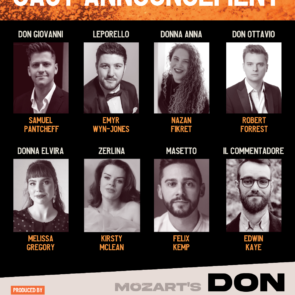
Mozart’s Don Giovanni is a brilliant example. The music can move from comedy to tenderness, tension or genuine darkness within a few moments. Sometimes the orchestra supports what a character is saying; at other times, it gives away something they are trying to hide.
For a young musician, hearing those shifts live can make familiar musical ideas feel much more immediate. Harmony, rhythm, dynamics, texture and orchestration all have a clear dramatic purpose, and they can fundamentally change how we understand what is happening onstage.
The story itself still feels surprisingly current. Don Giovanni is a powerful, charismatic man who behaves as though the usual rules don’t apply to him. The opera asks what allows somebody like that to keep avoiding consequences, and what happens when the people around him begin to resist.
That gives students plenty to think and talk about, even if they have never encountered opera before.
Learning from Professional Performers
Seeing professional musicians live can also be encouraging for young performers because it shows quite how physical and collaborative music-making really is.
Students can watch how singers use their breath and bodies to communicate, and how the orchestra responds to the action. They can see the concentration involved, but also the flexibility: live performance is never completely fixed, and musicians have to stay alert to one another throughout.
There is something reassuring in that. Performing isn’t about reproducing a recording perfectly. It’s about making choices, communicating with other people and creating something together in that particular moment.
Why Tobacco Factory Theatres?
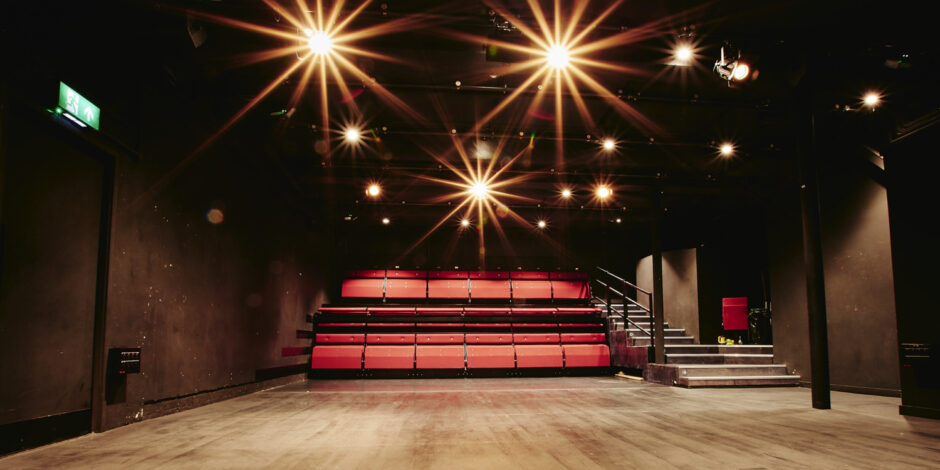
TFT is a particularly good place to experience opera because of quite how close you are to the performers.
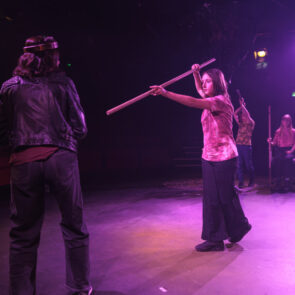
In a large concert hall or opera house, it can be difficult to see the small interactions between musicians. At TFT, the production is performed in the round, with the audience just metres from the singers and orchestra. Students can see the breaths, glances and split-second responses that hold a performance together.
This production is also sung in English, so it’s easy to follow the story and hear how Mozart’s music interacts with the words. There’s no need to know the opera beforehand, and none of the formality that people sometimes associate with an opera house.
For young musicians, it’s a chance to experience professional music-making at unusually close quarters. For GCSE and A Level students, it can bring many of the ideas they encounter in their studies to life. And for anybody who is curious about opera, Don Giovanni is a dramatic, funny and genuinely gripping place to begin.
Music is written to be heard and shared. Seeing it created live, right in front of you, is one of the best ways to understand why it matters.
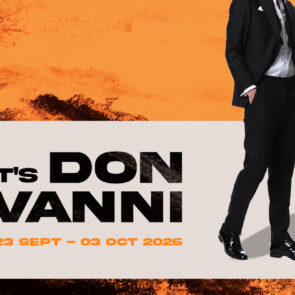
🗓️ 23 Sep–3 Oct 2026
🎟️ Tickets from £38
📍 Tobacco Factory Theatres, Raleigh Rd, BS3 1TF
Posted on 17 August 2026